
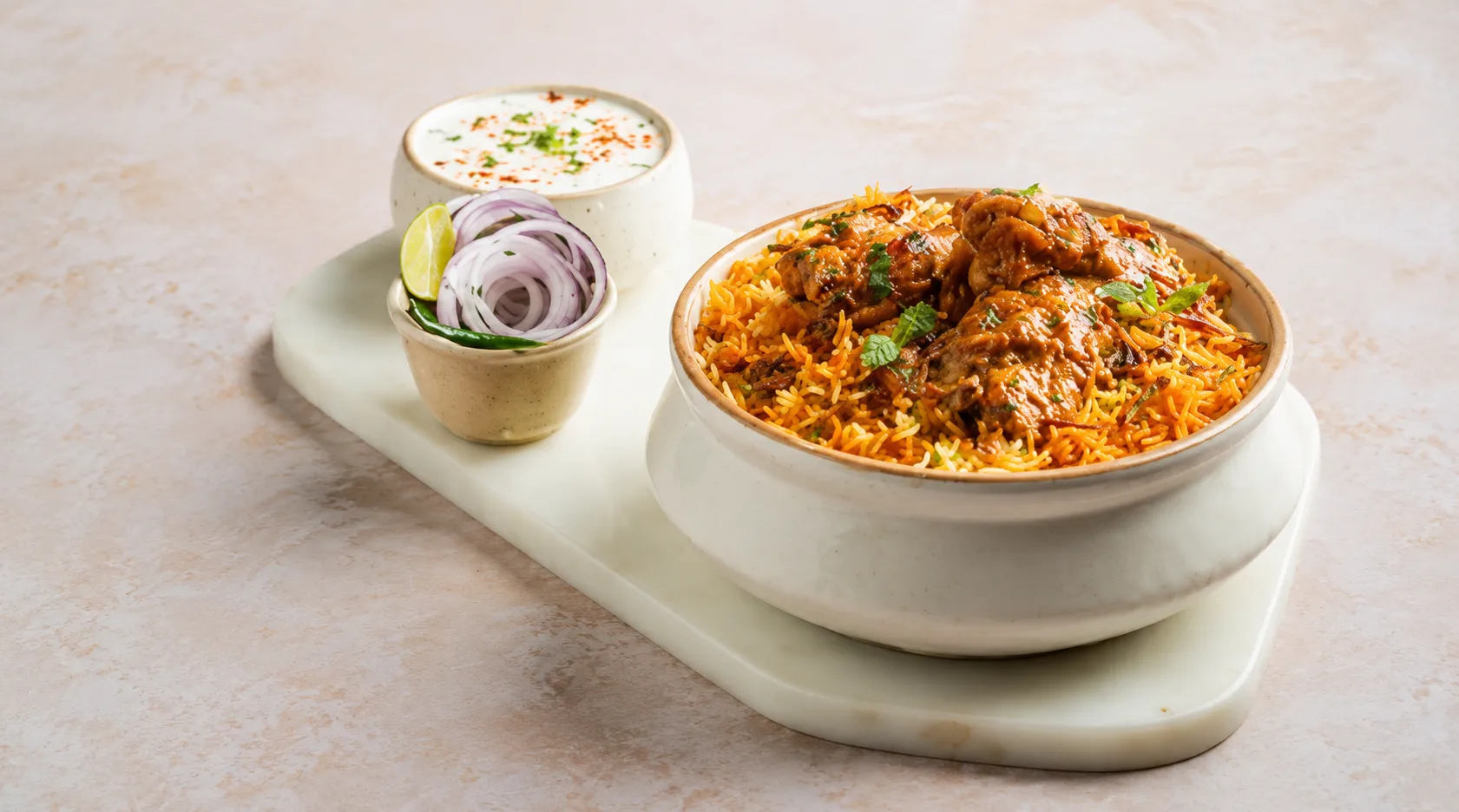
Searching Biryani Near Me East Windsor usually means one of two things, either you already know exactly what you want and are just looking for a place nearby, or you know you want biryani but have not decided which version yet. The second situation is more common than it seems, since biryani is not one dish, it is a cooking method applied across chicken, goat, seafood, egg, and vegetarian versions, each with its own flavor profile and texture. Picking blind from a long list of names on a menu is a common reason people order something they did not actually want.
This guide compares the main biryani categories available locally so the decision takes less guesswork, and it points to Hyderabad Biryani & Banquet as a reference point throughout, since it carries all of these styles under one menu.
Why Biryani Is a Category, Not a Single Dish
Every biryani style shares the same core method, marinated protein or vegetables layered with partially cooked basmati rice, sealed, and finished together over low heat so the rice absorbs flavor through steam rather than direct mixing. What changes between versions is the protein, the spice base, and sometimes the regional influence, which is why a gongura goat biryani and a green mirchi paneer biryani can taste almost nothing alike despite using the same underlying cooking technique.
Chicken Biryani: The Most Common Starting Point
Chicken biryani is the most frequently ordered version, and it covers the widest range of sub styles, from the traditional bone in Hyderabad chicken dum biryani to boneless, tikka, and tangy pickle based options like avakai or gongura chicken biryani. It works well as a default choice for anyone new to biryani generally, since the flavor is familiar enough to most diners while still representing the traditional Hyderabadi dum cooking style.
Vegetarian Biryani: More Range Than Most People Expect
What makes vegetarian biryani different from a side dish? Vegetarian biryani, including veg dum biryani, paneer biryani, and vegetable kofta biryani, is cooked using the same dum method as the meat versions rather than being a simplified alternative, which means it carries the same layered texture and spice depth as a chicken or goat order. Tangy versions like avakai or gongura veg biryani bring the same regional Andhra character found in the meat based versions, so a vegetarian order does not mean a milder or less developed dish.
Goat Biryani: For Those Who Want a Bolder, Richer Flavor
Goat biryani, sometimes labeled mutton biryani, tends to carry a deeper, richer flavor than chicken since goat meat holds up better to the long dum cooking process and absorbs the layered spices more fully. Options like the Hyderabad goat dum biryani, goat ghee roast biryani, and tangy versions like gongura or avakai goat biryani are generally a better fit for diners who already enjoy bold, slow cooked meat dishes rather than a first introduction to biryani.
Seafood and Egg Biryani: The Less Common but Notable Options
Seafood biryani and egg biryani are ordered less often but are worth knowing about, particularly for diners with specific preferences. Egg biryani, including green mirchi egg biryani, offers a lighter protein option that still carries the full dum cooking flavor, making it a middle ground between vegetarian and meat based orders. Seafood biryani options bring a different flavor direction entirely, since shrimp and fish absorb the layered spices differently than chicken or goat, resulting in a lighter but still well spiced dish.
A full comparison of pricing and portion sizes across all of these categories is available on HBB's indian restaurant menu.
How to Choose Based on Group Size and Occasion
For a solo meal, a single portion of chicken or vegetarian biryani generally covers the widest set of preferences without much risk. For a couple or small group, ordering two different proteins, for example one chicken and one goat or vegetarian option, gives variety without overcomplicating the order. For larger gatherings, mixing chicken, vegetarian, and one bolder option like goat or a tangy gongura version tends to cover the range of tastes across a bigger table better than ordering five of the same dish.
Single Portion or Family Size: What to Know Before Ordering
Most biryani styles are available in both single and family sizes, with family portions generally built for four or more people sharing from one order rather than being scaled individual portions. For groups, ordering fewer family sized portions across different biryani styles is usually more practical than ordering many single portions of the same dish, both for cost and for giving the table more variety to choose from.
Finding the right biryani near East Windsor comes down to matching protein, spice level, and portion size to the occasion rather than picking the first name on the list. Anyone deciding between styles for a specific order or planning ahead for a group can get in touch with Hyderabad Biryani & Banquet directly.
Frequently Asked Questions
Chicken biryani tends to be lighter and more approachable, while goat biryani carries a richer, deeper flavor since the meat holds up better to the slow dum cooking process and absorbs more of the layered spices over time.
Yes. Vegetarian biryani uses the same dum cooking method as chicken or goat versions, and tangy styles like avakai or gongura veg biryani carry the same regional flavor intensity found in the meat based options.
A traditional chicken dum biryani or a straightforward vegetarian dum biryani are generally the easiest starting points, since both represent the classic flavor profile without the added tang of pickle based styles or the richness of goat.
Yes. Multiple biryani styles, including chicken, vegetarian, goat, egg, and seafood, can be ordered together in the same order, and all are available for pickup online in addition to dine in service.